
- This event has passed.
IEAGD建築系畢業設計國際展覽 銘傳建築系許如欣獲選參展 IEAGD lnternational Exhibition of Architecture Graduation Design: MCU Architecture Student Hsu Ju-Hsin Selected to Exhibit
1 8 月, 2025 @ 10:30 上午 - 17 8 月, 2025 @ 6:00 下午

中華民國都市設計學會主辦的「2025第14屆IEAGD大評圖-大學建築系畢業設計國際展覽」6/23公布台灣參展學生名單,銘傳大學建築學系畢業生許如欣的作品《溫度刻痕》入選「Taiwan 20」,將代表台灣與日本、香港、新加坡等地各大建築學院的學生,在8/1-17於台北藝術大學地下美術館舉行的國際展覽暨大評圖系列活動中進行交流。
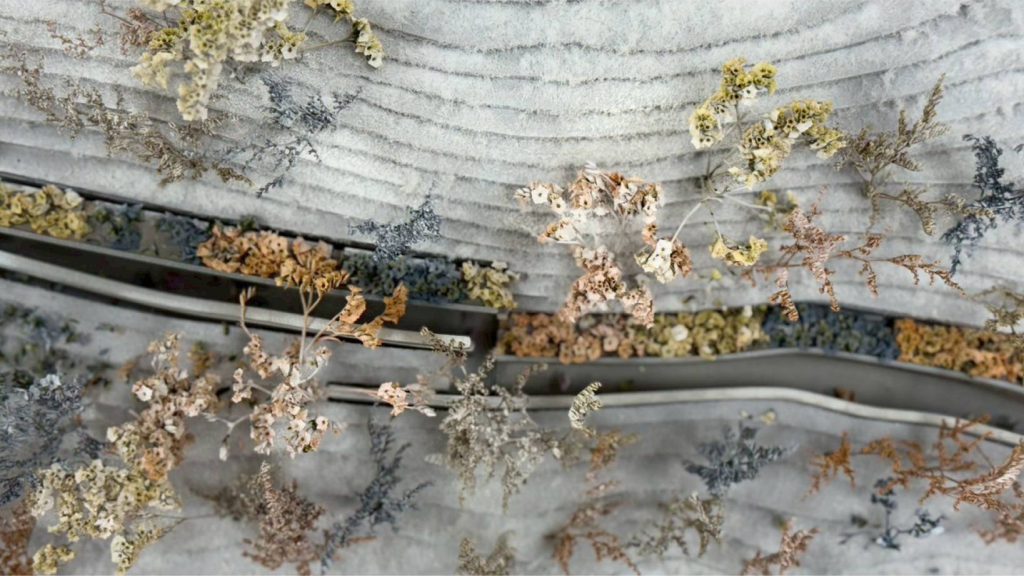
銘傳建築系許如欣的畢業作品《溫度刻痕》,由陳為寧老師指導,以北投公園周遭為基地,探討硫磺、植物、氣候、建築、人之間的關係,獲得此次台灣建築系所學生畢業設計二十選「Taiwan 20」六位策展人之一的周書賢建築師事務所主持建築師周書賢青睞,雀屏中選。
許如欣透過對生活的觀察,發現「建築」不僅是承載行為的載體,也可能成為自然與人、事件與人之間的間接介質,將這種「間接性」轉化為一種行為概念:「測」,並非指透過儀器量取數據的精密測量,而是透過身體、材質與空間去感受、記錄、察覺自然變化的過程。
在空間中,這樣的行為可藉由材質變化、空氣溫濕感知、植物蔓延與身體觸覺實踐。她認為建築是一種測量自然流變、時間痕跡與人與環境關係的介質,並透過設計手法,將這些微小痕跡與變化具象化,讓人能在空間中意識到環境的存在與變動,並提醒人們自然與人為之間,需要保持調節與平衡的關係。
「IEAGD大評圖-大學建築系畢業設計國際展覽」首創2012年,不僅是跨國性的畢業設計交流平台,也是促進國際交往及提升國內建築教育的內涵與視野,今年共有6位策展人從全國各建築系所畢業作品中進行評選,僅選出20組作品,將代表台灣與日本、香港、新加坡的學生,在8/1-17舉行的國際展覽暨大評圖系列活動中進行交流。
On June 23, Chinese Institute of Urban Design announced the list of Taiwanese student participants for 14th IEAGD lnternational Exhibition of Architecture Graduation Design (2025). MCU Department of Architecture graduate Hsu Ju-Hsin was selected for her project “Traces of Temperature”, which earned a spot in the “Taiwan 20” list. Her work will represent Taiwan alongside top architecture students from Japan, Hong Kong, Singapore, and other regions at the international exhibition and critique event held August 1–17 at Underground Experimental Field of Taipei National University of Arts.
Hsu Ju-Hsin’s graduation project, “Traces of Temperature”, was guided by Professor Chen Wei-Ning and takes Beitou Park as its base. It explores the relationship between sulfur, vegetation, climate, architecture, and humans. Her project was favored by one of the six curators, architect Chou Shu-Hsien, principal of Chou Shu-Hsien Architects, and was ultimately selected as part of the “Taiwan 20”.
Through close observation of daily life, Hsu discovered that architecture is not merely a vessel for activities, but also a potential medium that indirectly connects nature and people, or events and people. She transformed this idea of indirectness into a behavioral concept: “measuring”. This is not the precision of instruments quantifying data, but rather a sensory process of perceiving, recording, and becoming aware of natural changes through the body, materials and space.
In spatial terms, such behavior can manifest through changes in materials, perception of air temperature and humidity, the spread of vegetation, and tactile bodily experiences. Hsu believes architecture can serve as a medium for measuring the flows of nature, the marks of time, and the relationships between people and their environment. Through design techniques, she gives form to these subtle traces and changes, enabling users to perceive the presence and transformation of their surroundings—and reminding us of the need to maintain a balanced and responsive relationship between the natural and the man-made.
Launched in 2012, the IEAGD lnternational Exhibition of Architecture Graduation Design is a pioneering cross-border platform for architectural graduation work. It promotes international exchange and enhances the depth and global perspective of Taiwan’s architectural education. This year, six curators reviewed graduation projects from architecture departments nationwide and selected only 20 entries. These works will represent Taiwan and engage in international dialogue with students from Japan, Hong Kong and Singapore in the exhibition and series of critique sessions held from August 1 to 17.